

CRUISING SPINNAKERS
Cruising Spinnaker
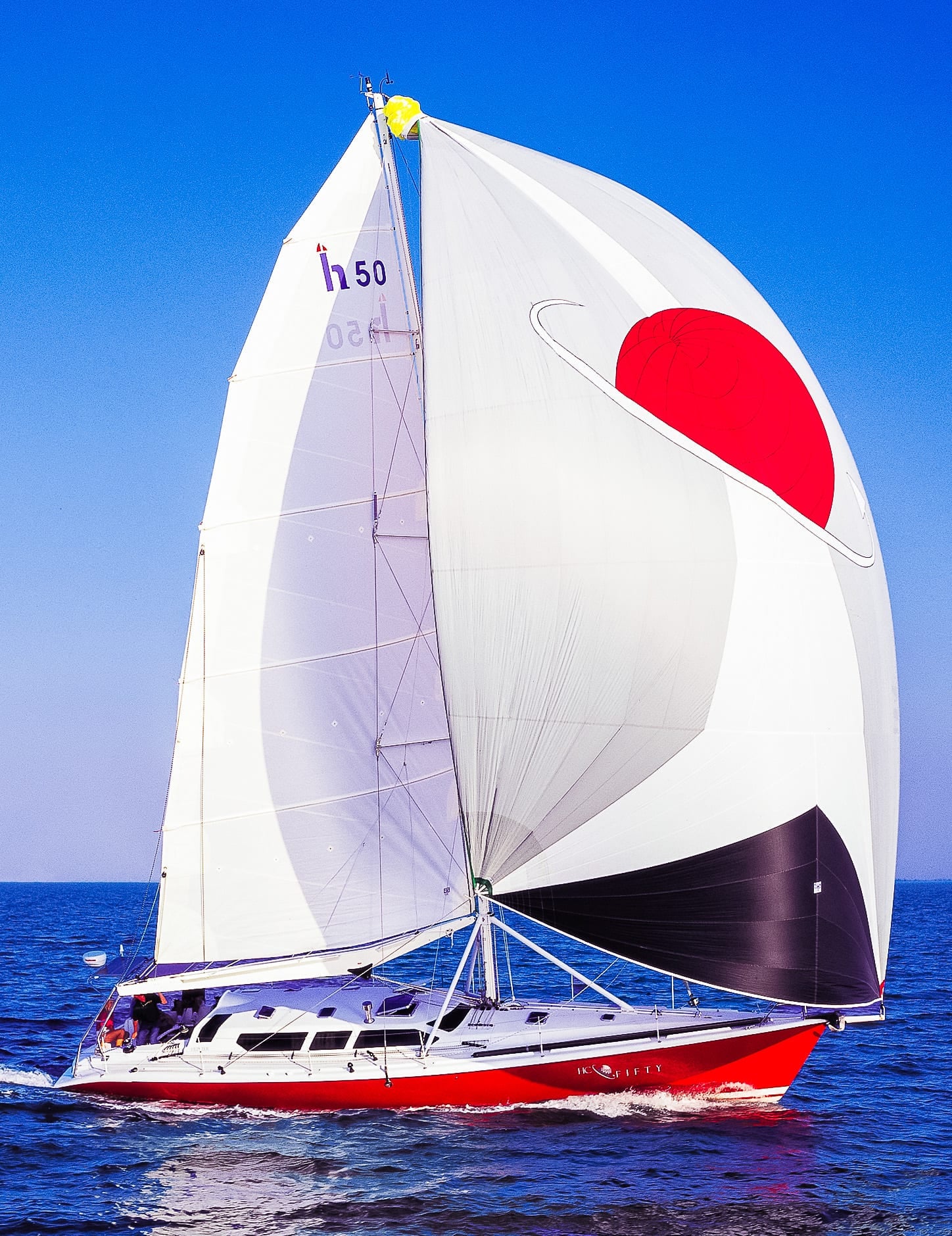
An asymmetric, pole-less downwind sail that flies like a big genoa but pulls like a spinnaker — stable enough for shorthanded crews and even the autopilot.

Why a Cruising Spinnaker?
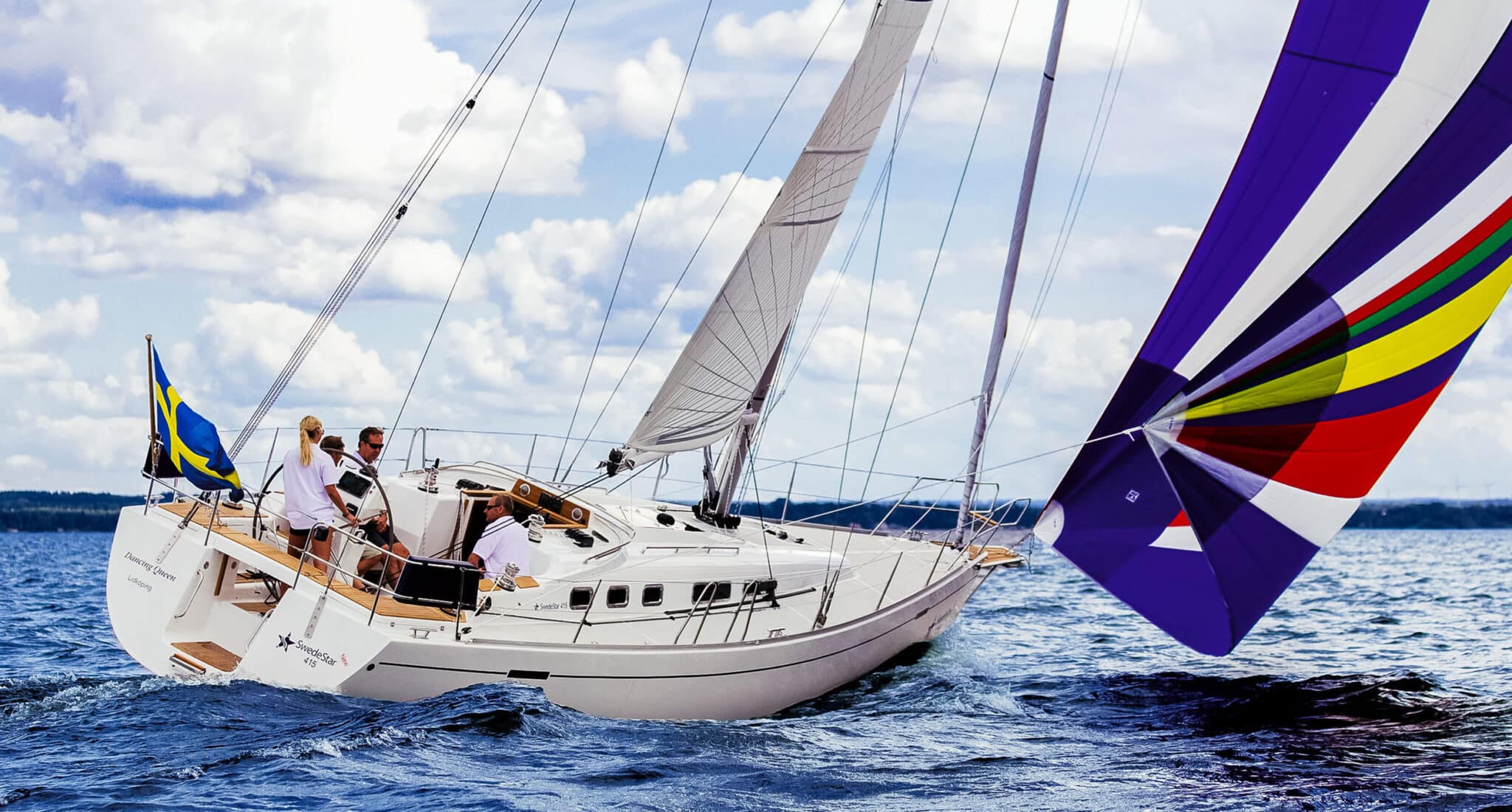
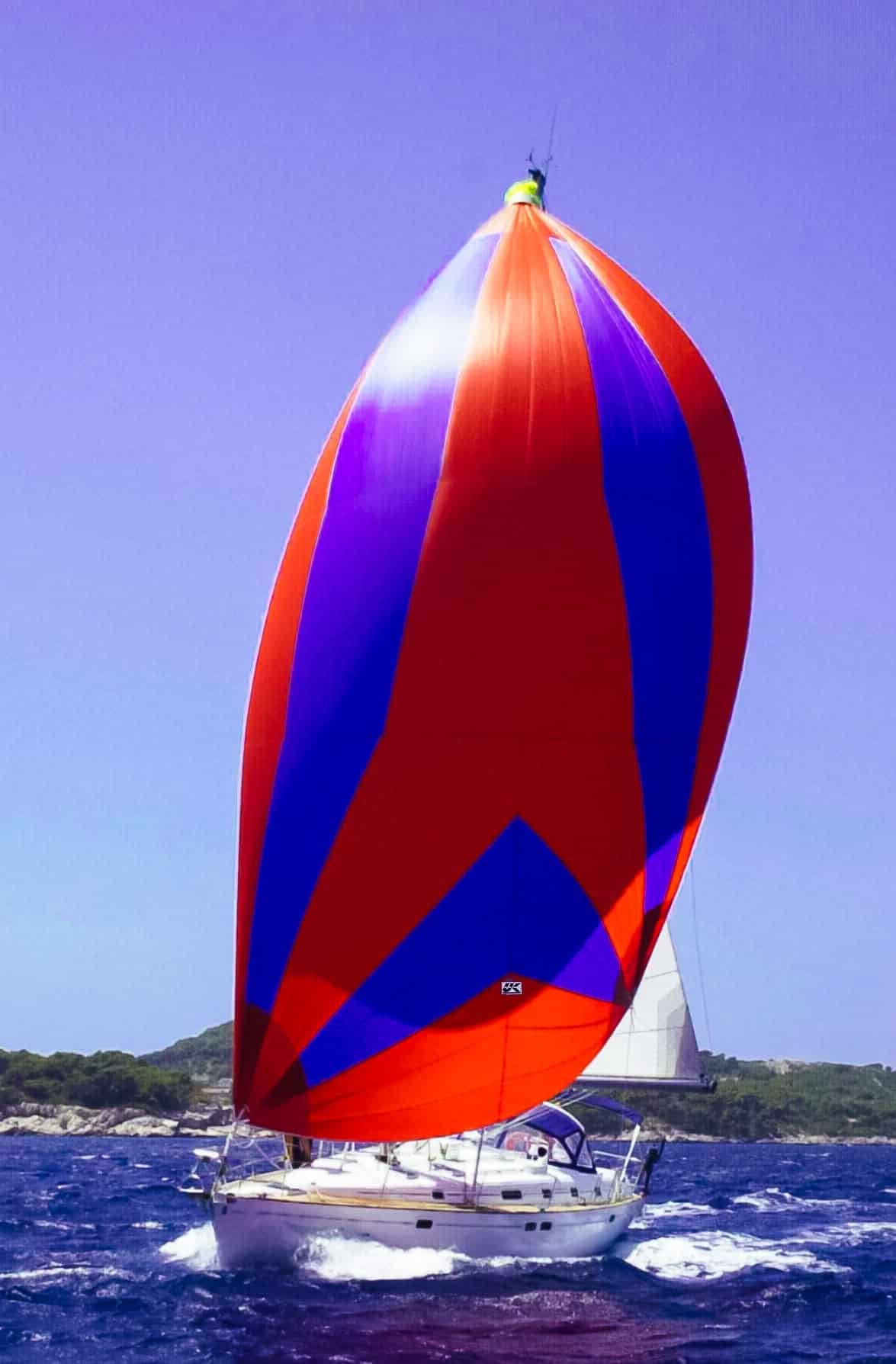
UK Sailmakers’ asymmetric, pole-less Cruising Spinnaker makes downwind sailing far more lively and fun. With no spinnaker pole to manage, it’s the perfect sail for shorthanded cruising — it combines the easy handling of a genoa with the pulling power of a spinnaker. Because the luff is longer than the leech, the asymmetric shape stays stable and easy to trim, and won’t turn ill-mannered the way a traditional symmetric spinnaker can. In fact, it’s so stable you can fly it with the autopilot steering.
No Pole Needed
Built for shorthanded crews
The asymmetric, pole-less design sets and trims like a big genoa, so a couple — or one sailor and an autopilot — can fly it with confidence.
Genoa Ease, Spinnaker Power
Lively downwind sailing
It pairs the easy handling of a headsail with the pulling power of a spinnaker, turning a slow downwind slog into fast, fun sailing.
Stable & Well-Mannered
Luff longer than the leech
The asymmetric shape makes a stable sail that’s easy to trim and won’t get ill-mannered the way a symmetric racing spinnaker can.
An All-Purpose Downwind Shape
We design the Cruising Spinnaker with an all-purpose shape, so it flies from beam reaching to broad reaching in winds from the faintest zephyr to a stiff 20-knot blow.
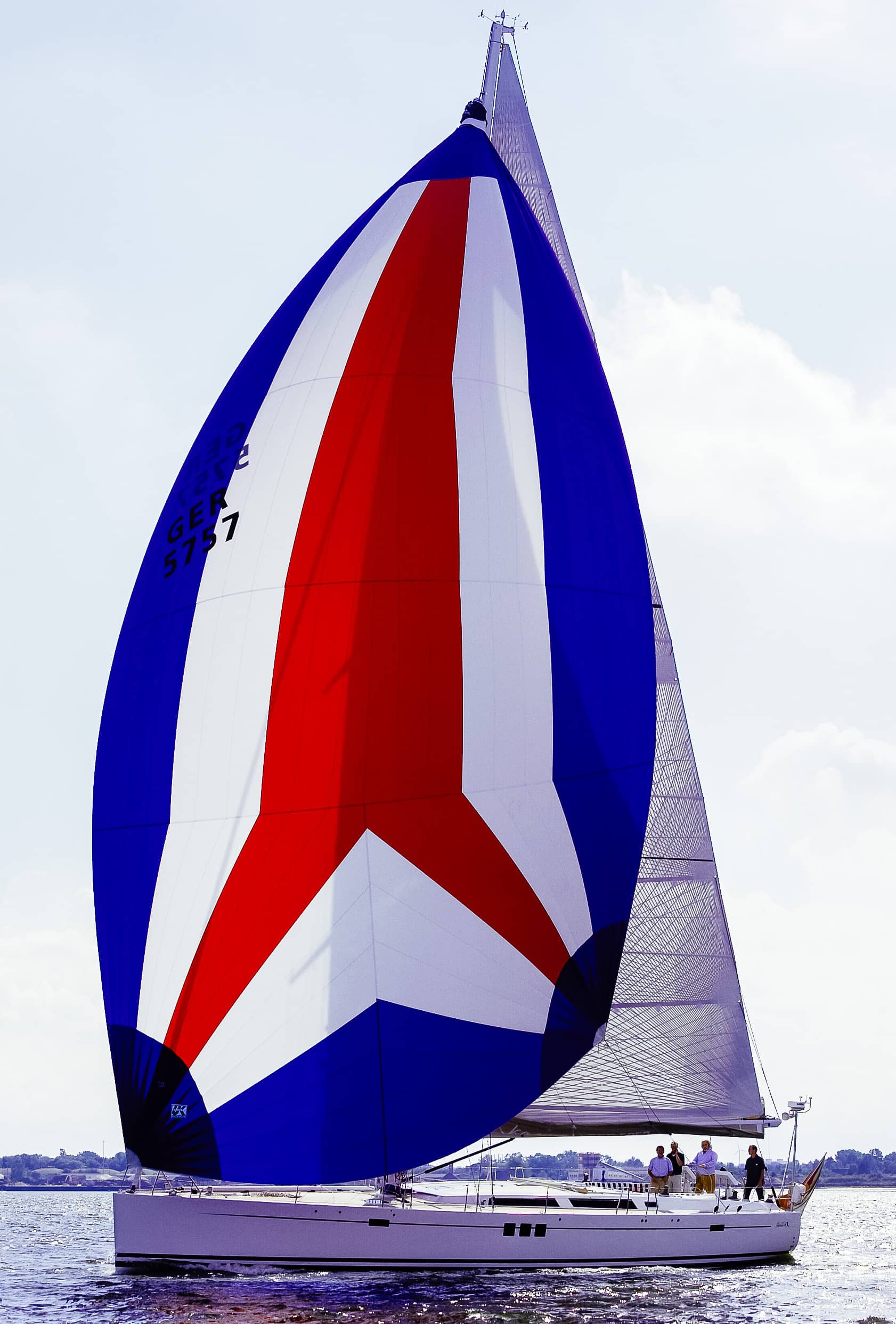
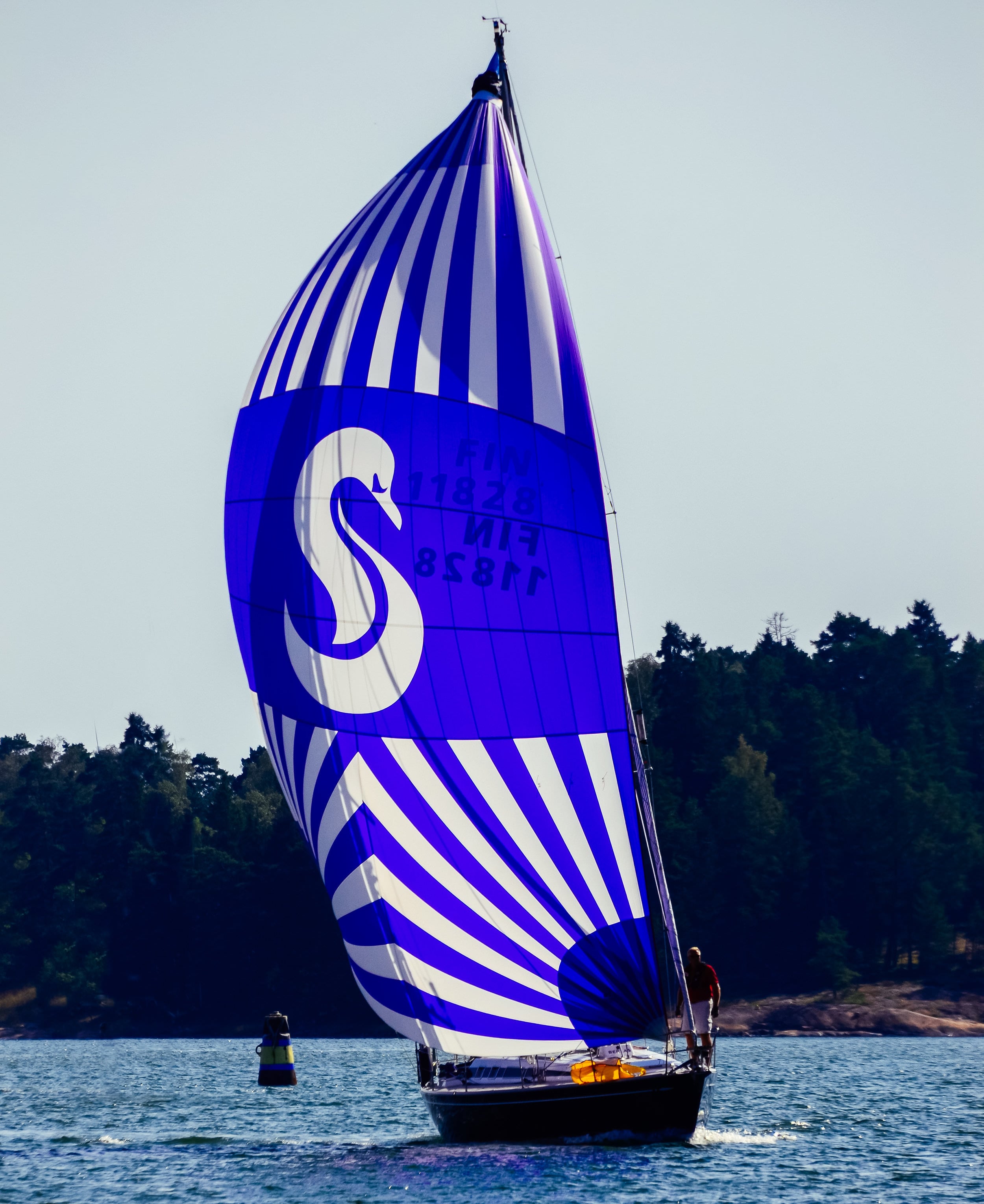
Its full radial panel layout is the most durable way to build a spinnaker, because the strongest yarns of the nylon are aligned with the loads running between the corners of the sail. All those panels also open up a world of design options — use UK Sailmakers’ online painting tool to try out your own color scheme.

At a Glance
- Apparent wind angle: 75°–165°
- Apparent wind speed: 5–18 knots
- Size: about 15% smaller than a racing spinnaker
- Cloth: 0.75–1.5 oz nylon

Sail Handling Options
To make the Cruising Spinnaker even simpler, set and douse it with a top-down furler or a dousing sock — which we call the Stasher. The Stasher does the work of several long-armed crew: with it, the sail can be set, trimmed, and lowered by two people, or by one person and an autopilot. Top-down furlers are a popular option that roll the sail up from the cockpit, though some can cost as much as the spinnaker itself. Talk to your local UK Sailmakers representative about which setup fits your boat and budget.

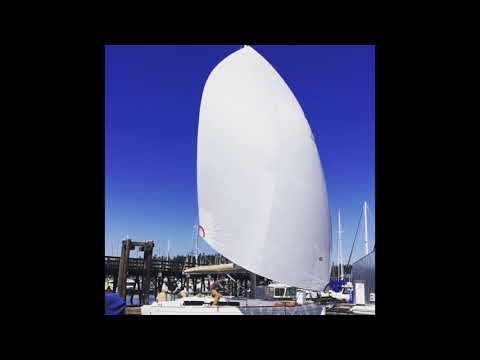
Make It Your Own: Spinnaker Painting Program
Because the radial layout uses so many panels, you have real freedom to design a custom look for your new spinnaker or cruising spinnaker. Use UK Sailmakers’ Spinnaker Painting Program to experiment with colors and patterns before you order. Open the Spinnaker Painting Program.
FAQs
What’s the difference between a cruising spinnaker and a racing spinnaker?
A cruising spinnaker is asymmetric and pole-less, with the luff longer than the leech. That makes it far more stable and easier to trim than a symmetric racing spinnaker, and it’s built about 15% smaller so it’s easier to handle. You fly it like a big genoa — no pole, no foredeck gymnastics.
Can I fly it shorthanded?
Yes — that’s the whole point. With no pole and such a stable shape, a couple can handle it easily, and it’s steady enough to fly with the autopilot steering. Paired with a dousing sock or a top-down furler, even one person can set, trim, and douse it.
What wind angles and strengths does it cover?
It’s designed as an all-purpose downwind sail, flying from beam reaching to broad reaching in everything from light zephyrs to a stiff 20-knot blow. The working range is roughly 75°–165° apparent wind angle in 5–18 knots.
How do I set and douse it?
Two easy options. A dousing sock — our “Stasher” — tames the sail like several long-armed crew, so two people, or one and an autopilot, can handle it. Or a top-down furler rolls it up from the cockpit; just note that some furlers can cost as much as the spinnaker itself.
Can I choose the colors?
Absolutely. The full radial panel layout uses many panels, which leaves plenty of room for a custom color scheme — and it’s the most durable way to build a spinnaker, since the strongest yarns run with the loads between the corners. Use UK Sailmakers’ online painting program to design your own.
