There is a fantastic scene in the baseball movie Moneyball where Brad Pitt’s character walks into the players’ locker room after another loss. He is disgusted to see some of the players dancing and laughing while a losing streak continues.
Brad Pitt plays the pioneering General Manager of the Oakland A’s, Billy Beane. In response, he takes a bat to the clubhouse stereo to get the players’ attention.
Twice he asks the players “is losing fun?” before a player feebly answers “no.”
“So what are you having fun for?” Beane asks.
After a few seconds of silence, Beane raises his finger to the air and calmly says “that’s what losing sounds like.”
Beane then throws a water dispenser and bats across the room but ignore that part. His point was that losing should be taken seriously and the mindset should be how do we get better, not dancing on tables.
A lot of the culture of what happens in a locker room can also apply to a racing boat.
I cringe when I see crew members ignore a bad race and opt for joking and conversing about other topics while they clean up instead of talking about the bad performance. It sends a message that their standards are set too low.
Winning teams, on the other hand, will take the opportunity to discuss how to improve. They will have honest discussions after poor performances to find out what went wrong and how to avoid repeating mishaps through improved teamwork.


For example, they might be talking about how the chute escaped from the spinnaker bag on approach to a windward mark or why their competitors were pointing higher on the upwind legs.
Unlike professional baseball teams, most crew members are not being paid. They are racing for fun. Getting better should be part of the fun and a reward unto itself, so these types of crew debriefs after races are important.
I have raced aboard too many boats where the finger pointing starts during the race sometimes due to a poorly executed tack or sail change. Spur of the moment criticism is counterproductive. Often the crew can quickly figure out what went wrong and make corrections on the next maneuver.


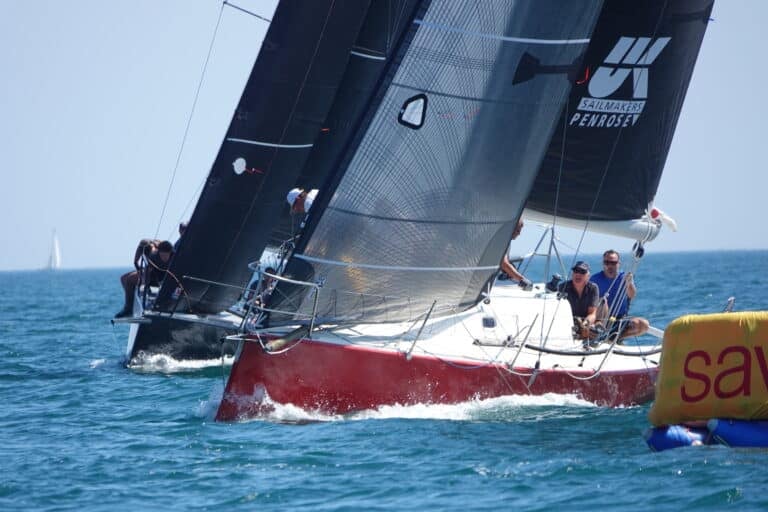
Sunshine, steady breeze, and good sails. UK Sailmakers Los Angeles customers out on the California coast.
The impulsive criticism should be held inside. Otherwise, it can distract the rest of the crew from focusing on their jobs and the next evolution. Furthermore, the target of the impulsive criticism is likely to feel unappreciated and defensive for the rest of the regatta.
Instead, constructive criticism following the race and feedback from other crew members is more likely to result in a positive outcome. On keelboats, it is essential to keep a positive culture of teamwork. Therefore, the discussion should not target one individual as the culprit (even though we probably all know who is to blame) but rather how can we as a team avoid such a mistake next time.
Some of my most rewarding regattas were not necessarily ones we won, but rather ones during which the crew gelled and improved every race and moved up in the overall standings.
As my son’s travel baseball coach used to say, “I win, or I learn.” Great advice!